
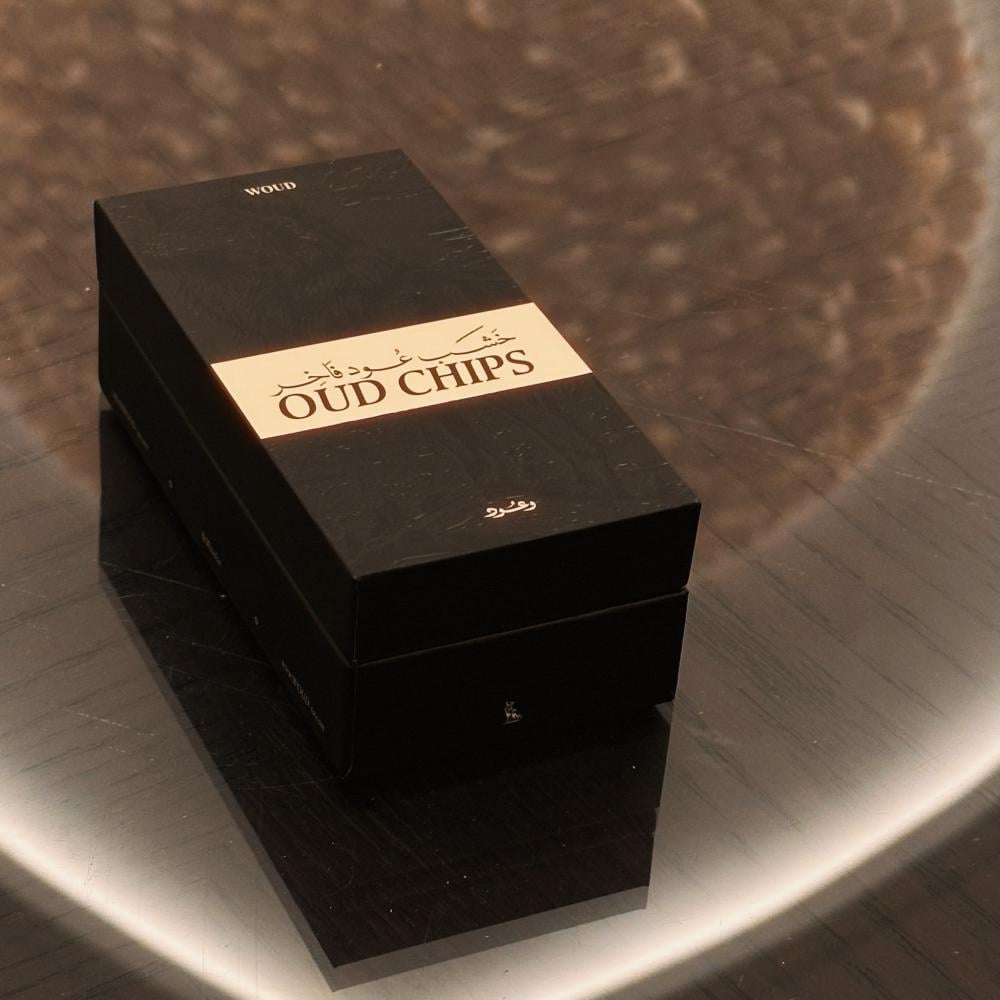
In our Arab gatherings, there is a silent moment that conveys a level of appreciation that words cannot express; that moment when the incense burner is brought out and circulated among the guests. The scent of oud is not merely a perfume; it is a cultural signature that stretches back thousands of years. How did wood resulting from a disease in a tree in the distant forests of Asia become a symbol of luxury and prestige in the heart of the Arabian desert?
The mystery of the infected tree: How did the story begin?
Before oud reaches our incense burners in Riyadh or Dubai, its journey begins in the forests of India, Vietnam, and Cambodia. The astonishing fact is that oud is not a natural part of the tree, but rather a "reaction." When Acularia trees are infected with certain fungi, they secrete an aromatic resinous substance as a defense mechanism. This struggle between the tree and the disease is what produces the most expensive wood in the world.
Historically, ancient peoples in India and China knew this secret more than 3,500 years ago. But it was the Arabs who were the "engineers" who transformed this fragrance from mere temple incense into a complete way of life.
The 3000-year journey: How did oud reach the Arabian Peninsula?
The oud did not arrive by express mail, but rather on the backs of camels and via wooden ships that defied the waves.
1. The Ancient Incense Route
Around 1000 BC , the ancient Arabian kingdoms (such as Saba and Qataban) were the engine of global trade. Arab traders brought agarwood from the ports of India and Sindh, first to the ports of Oman and Yemen, then transported overland by caravans through the heart of the Arabian Peninsula to Petra and the Levant.
2. The Oud in the pre-Islamic and Islamic eras
The Arabs knew oud before Islam and sang its praises, and it was called “alwa” . With the dawn of Islam, oud took on a spiritual character; the Prophet ﷺ loved perfume and encouraged its use, and from here the scent of oud became associated with mosques, Friday, and Ramadan nights, to become a “sacred” scent in the popular consciousness.
Who are the "guardians of the oud"? (The most consumed instrument throughout history)
Although the oud is produced in the East, the Arab is the "first expert" on it.
Historically, the Umayyad and Abbasid caliphs were the most generous in acquiring rare oud. It is said that the gatherings in Baghdad were perfumed with the finest types of Indian and Cambodian oud, which was brought specifically for the caliphate's palaces.
• Recently: Saudi Arabia and the Gulf countries have ranked first globally in the consumption of natural oud. Oud is no longer exclusive to the elite, but has become part of the hospitality in every home, where "oud" represents the pinnacle of welcome, hence the famous saying: "After oud, there is no sitting."
What does the oud represent for Arabs today?
For Arabs, oud is not just a scent, but a triangle of values:
1. Authenticity: Just as oud wood only releases its fragrance when burned, Arabs believe that a person's "true metal" emerges under the pressures of life.
2. Honoring the guest: Presenting the best oud you have (such as "Marocaine" or "Cambodian") is a silent message of appreciation that reflects the guest's status.
3. Identity: Scent is the strongest driver of memory; therefore, oud is associated with the image of the father, the council, and holidays, making it part of the cultural “DNA”.
The oud remains a testament to the Arabs' deep connection to beauty and luxury, a journey that began in the forests of the East and settled in the hearts of Arab gatherings. In every burning piece of oud, there is a story of a long history of travel and ambition.