
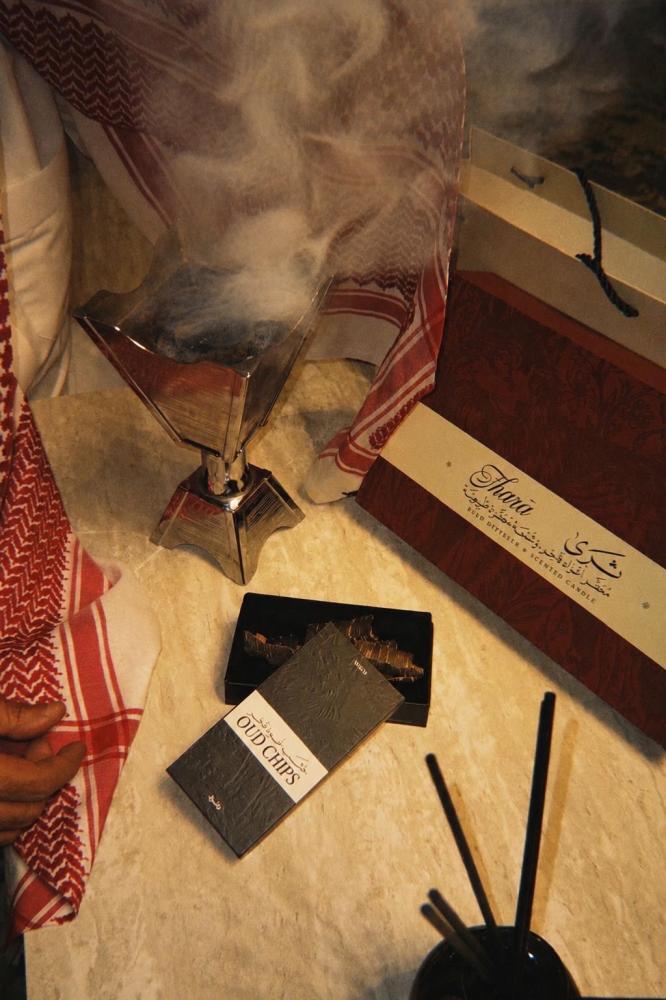
A comprehensive guide to the characteristics of natural oud: How to distinguish quality and authenticity?
Natural oud wood is considered a symbol of luxury and rich tradition in Arab culture. However, with the proliferation of counterfeit and synthetic varieties, it has become essential to understand the characteristics of genuine oud and how to assess its quality. In this guide, we reveal the secrets of natural oud, from its origin to its use.
What is natural oud? (The biological process)
Agarwood is not just wood; it is a precious, aromatic resin. Agarwood is produced by Aquilaria trees as a natural defense mechanism against fungal infections. The tree secretes a resin to protect its tissues, and over the years, this resin reacts with the wood to form "agarwood."
How can you distinguish between natural and synthetic oud?
The difference between natural and synthetic oud lies in:
Scent: Natural oud has a gradual scent and does not cause shortness of breath, while synthetic oud has a sharp, chemical scent that disappears quickly.
Ingredients: Genuine oud is free of additives, glue, or chemicals, while synthetic oud is based on chemicals or ordinary wood coated with commercial oils.
Combustion method: Natural oud produces thick smoke with a pleasant, long-lasting aroma, while synthetic oud often shows signs of burning added materials or glue.
Key characteristics of genuine natural oud
If you wish to buy genuine natural oud, look for the following signs:
1. Density and weight: The higher the resin content, the heavier the oud. Premium varieties (such as Double Super) may sink in water due to their high oil content.
2. Color: Natural oud is characterized by colors ranging from dark brown to black, with clear veins indicating the concentration of resin.
3. Longevity: The natural scent of oud has a superior ability to remain in places and on clothes for long periods.
4. Scent evolution: Natural oud gives you changing aromatic "notes"; it starts off woody and then turns into calm incense or sugary touches.
Classification of oud wood by quality
The oud is classified based on several criteria, the most important of which are:
Geographical habitat: such as Indian oud (sharpest), Cambodian oud (sweet), and Indonesian oud (distinguished for everyday use).
Tree age: The older the tree, the higher the quality of the resin produced.
Degree of saturation: It is classified into (Super, Double Super, Triple Super) based on the percentage of blackness of the oud and the amount of fat in it.
Tips when buying natural oud
Buy from trusted sources: Look for stores that offer return guarantees and are transparent about the origin of the oud.
Try before you buy: Don't just look, but ask to try burning a small sample; natural oud gives a pure scent as soon as it burns.
Understand the price difference: Natural oud is rare, so a very low price is often an indication that it is synthetic oud.
Frequently Asked Questions about Natural Oud (FAQ)
Does natural oud cause allergies?
Natural, genuine oud does not cause any respiratory allergies like the additives in synthetic oud. On the contrary, it is used in some traditions as a natural remedy for calmness and relaxation.
How do I preserve oud wood?
Natural oud should be stored in a cool, dry place, away from direct sunlight, and preferably in airtight containers to preserve the percentage of essential oils.
Enjoy an unforgettable aromatic experience by choosing the finest natural oud, and invest in quality that reflects your refined taste.
Browse the finest types of oud here